Advanced maintenance guide: how to maximize the lifespan of your industrial band saw

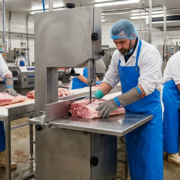
In the food processing sector, industrial band saws and cutting machines form the backbone of meat and fish processing operations. Subjecting these units to demanding production schedules requires a rigorous preventive maintenance strategy. An optimized maintenance routine not only extends the operational lifespan of the machinery but also reduces operating costs, improves energy efficiency, and prevents costly unplanned downtime.

To maximize the return on investment of your Cruells equipment, it is essential to focus on four critical maintenance pillars:

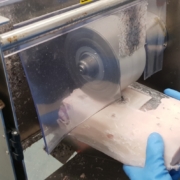
  • Blade sharpening, tension, and tooth set: Operating with a dull or improperly tensioned blade places excessive strain on the motor, elevating cutting temperatures and producing uneven cuts that waste raw materials. Perform daily checks on blade tension and carbide guide alignment. Sharpen or replace the band saw blade at the first indication of severe friction.

  • Specialized food-grade lubrication: Pivot points, bushings, and bearings must be lubricated regularly using NSF H1-certified lubricants suitable for incidental food contact. Proper lubrication minimizes frictional wear and halts rapid oxidation caused by the high-humidity environment of meat and fish processing facilities.

  • Pulley and scraper calibration: Fat deposits, bone fragments, and fish scales naturally build up on drive pulleys and blade scrapers. Neglecting this debris causes alignment issues, operational vibration, and eventual premature blade failure due to metal fatigue. Inspect, clean, and readjust scrapers at the end of every shift.

  • Workplace safety and non-corrosive sanitation: Operational safety demands daily verification of the motor brake, product pushers, and adjustable safety guards. During cleaning, use neutral detergents and non-abrasive sanitizers. High-pressure washing or corrosive chemicals applied near seals can degrade electronic and mechanical components prematurely.

Establishing a systematic daily and weekly inspection program ensures peak operational throughput, maintains compliance with food safety regulations, and safeguards the long-term value of your processing equipment.

The truth about vacuum packaging: Does it really keep fish fresher?

Vacuum packaging has become the gold standard for storage in modern fish markets and high-end kitchens. However, behind the popularity of this technique, reasonable questions arise: Is it a foolproof solution or does it have technical limitations? The short answer is yes, vacuum packaging significantly improves shelf life, but its effectiveness is strictly tied to proper process management.

The science behind preservation By extracting oxygen from the bag, oxidative fat processes—the primary cause of fish rancidity, especially in fatty fish like tuna or salmon—are drastically slowed down. Furthermore, by removing air, the growth of most aerobic bacteria, which require oxygen to multiply, is inhibited. This allows the product’s shelf life to be extended up to three times longer than with conventional tray refrigeration.

Critical nuances for total safety Despite its benefits, vacuum sealing is not a substitute for the cold chain. Effectiveness depends directly on two factors:

  1. Initial freshness: No vacuum machine can improve the quality of a product that has already begun to degrade. The vacuum only “pauses” the current state.

  2. Controlled temperature: Certain anaerobic bacteria can proliferate in oxygen-free environments if the refrigeration temperature is not maintained below 3°C or 4°C.

When to apply this technique? Vacuum sealing is exceptional for portioning fresh fish for self-service sales or for mise en place in professional kitchens. However, it is vital not to overload the bags to ensure a uniform hermetic seal. Poor welding or a puncture caused by a fish bone completely voids the benefits. In short, it is a powerful tool that, combined with scrupulous hygiene, ensures a product with greater freshness and minimal waste.

The Importance of Maintenance and Cleaning for Food Machinery

In the food industry, machinery is not just an asset; it is the heart of your business. However, many professionals underestimate the direct impact that inadequate cleaning or poor maintenance has on both final product quality and company profitability.

Key Maintenance Guidelines: Machinery must be subject to a preventive maintenance plan. Do not wait for a breakdown; perform periodic inspections of moving parts, gaskets, blades, and electrical systems. An overheated motor due to lack of lubrication or a worn belt will not only halt production but can also compromise operator safety.

Cleaning and Hygiene: Cleaning is not optional; it is a legal and sanitary requirement. You must establish daily cleaning intervals (after each use) and deep weekly disinfection. Identify “high-risk zones” where meat or fish debris accumulates: seals, screw threads, and interior housing. These spots are breeding grounds for bacteria.

How to Avoid Cross-Contamination: One of the greatest risks is the transfer of pathogens between different types of products. To avoid this:

  1. Color Coding: Use specific cleaning tools and cloths for each sector (fish vs. meat).

  2. Disassembly Protocols: Ensure that parts in contact with raw fish are thoroughly disinfected before handling meat.

  3. Training: Your team must understand the risks. A poorly sanitized machine is a primary vector for contamination.

In conclusion, investing time in the hygiene and maintenance of your machinery is an investment in your establishment’s reputation and your customers’ health. A clean machine not only lasts longer but operates more efficiently.

How to Calculate the Return on Investment (ROI) in Food Machinery

Investing in new technology for a food processing plant is not just about modernization; it is a strategic financial decision. The Return on Investment (ROI) tells us how long it will take for a machine to “pay for itself” through the savings it generates. Here are the key points to calculate it:

1. Labor and Time Savings

Automation allows processes that previously required three people to now need only minimal supervision. Multiply the hourly cost of the operator by the hours saved per month to see the direct impact on your cash flow.

2. Reduction of Product Shrinkage and Waste

In the food industry, every gram counts. Precise machinery reduces product waste (trimmings, weighing errors, or defective packaging). If a machine reduces waste by 5%, that percentage translates directly into net profit at the end of the year.

3. Consistency and Material Savings

Modern machinery optimizes the use of inputs (such as oil, flour, or packaging film). By standardizing portions and material usage, overcosts due to excess product in the packaging are eliminated.

4. The Final Calculation

To get the ROI, use this simple formula:

$$ROI = (\text{Total Annual Savings} / \text{Initial Investment}) \times 100$$

If the annual savings exceed the investment cost in less than 18-24 months, the acquisition is considered highly profitable.

Ideal internal temperatures for all meats

A great cook relies on a meat thermometer. Internal temperature is the only foolproof measurement to guarantee safety and perfect texture.

1. Beef: The Doneness Scale

  • Rare: 52°C – 55°C.

  • Medium: 60°C – 63°C.

  • Well Done: 71°C+.

2. Poultry: Zero Risks

  • Breast and Turkey: 74°C (165°F). Must be fully cooked.

  • Thighs: Up to 77°C (170°F) for better tenderness.

3. Pork: Don’t Fear the Pink

  • Loin and Tenderloin: 63°C (145°F). Safe, tender, and juicy.

4. Lamb: Flavor and Juiciness

  • Medium: 60°C – 63°C. The sweet spot for flavor and moisture.

5. Ground Meats: The Safety Standard

  • Burgers: Must always reach 71°C (160°F) to be completely safe.

Conclusion: A digital thermometer is your best kitchen tool. You’ll improve safety and discover better textures. Enjoy!

Ancient fish preservation techniques: salting, smoking, and pickling

Long before freezers existed, humans had to be resourceful to preserve surplus catches. Born from the need for survival, these techniques not only allowed fish to be transported far from the coast but also transformed it into delicacies with unique textures and flavors.

Salting: Perhaps the oldest technique, it involves dehydrating the fish using common salt to prevent bacterial growth. The most iconic example is the anchovy, which develops its reddish color and intense flavor after months of maturation, or cod, which allowed sailors to cross oceans due to its durability.

Smoking: Originating in colder climates, it combines dehydration with the antiseptic properties of smoke from hardwoods (like beech or oak). Oily fish like salmon are ideal, as the smoke penetrates the fat, creating complex nuances and a silky texture.

Escabeche (Pickling): With strong Arabic and Spanish roots, this method uses vinegar and oil. The acid in the vinegar stops decomposition, while spices like bay leaf, pepper, and paprika provide an unmistakable aromatic profile. It is the go-to technique for oily fish like bonito or mackerel.

Aging: Why does “old” meat taste better?

In the world of high-end gastronomy, the term “Dry Aged” has become synonymous with excellence. But what actually happens when we leave a piece of meat in a climate-controlled room for 30, 60, or 90 days? It’s not a process of decay, but a controlled transformation.

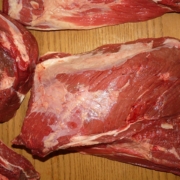
The Magic of Natural Chemistry: Aging is a resting process under strict temperature and humidity conditions. During this time, water evaporates and flavors concentrate, offering notes reminiscent of nuts or butter. Additionally, natural enzymes break down muscle fibers, achieving an extreme tenderness that makes the meat melt in your mouth.

Is it for everyone? Aged meat has a bold personality. While a short aging period (21-30 days) is subtle and widely enjoyed, long aging is for palates seeking intense and complex experiences. Letting meat “age” is an act of patience that rewards the diner with a texture and flavor impossible to find in a fresh cut.

Aquaculture: How the fish on your table is raised

When buying fish, we often check if it’s “wild-caught” or “farmed.” However, few truly know the complex process that brings species like sea bream or sea bass to our tables with full health guarantees. Aquaculture is a science focused on balancing production with sustainability.

The Life Cycle: It starts in breeding centers with strictly controlled temperature and oxygen levels until the eggs hatch. Once they reach the fingerling stage, fish are moved to floating sea cages or land-based recirculation tanks.

Feeding and Food Safety: Today’s feed is made from high-quality marine and vegetable ingredients. Because it’s a controlled environment, the risk of parasites like anisakis is virtually eliminated, making farmed fish a very safe option.

Sustainability: Aquaculture is the solution to overfishing, protecting ocean biodiversity while providing fresh products with full traceability from farm to fork.

How to tell if fish is truly fresh: 5 details everyone overlooks

Buying fish might seem straightforward, but telling a freshly caught piece from one that has been on the counter for days requires an expert eye. Beyond the smell, subtle details reveal true freshness. Here is what you should look for:

  1. Corneal Transparency: Everyone checks if the eye is bulging, but transparency is key. If the cornea is milky or white, it’s not fresh. It must be crystal clear.

  2. Gill Color: It’s not enough for them to be red; they must be moist and bright red or pink. If you see grayish or yellowish mucus, discard it.

  3. Flesh Firmness: Do a quick test. If you press the back lightly with your finger and the mark disappears instantly, it’s fresh. If the indentation remains, the muscle structure has begun to break down.

  4. Metallic Sheen: Fresh fish has an iridescent, almost metallic shine. Over time, this luster fades, and the skin becomes dull and sticky.

  5. The Vent (Anus): This is the detail nobody looks at. In a fresh specimen, the anal opening should be tightly closed. If it is open or flaccid, it’s a sign the fish has been out of the water for too long.

The Importance of Maintenance and Cleaning in Food Machinery

In the food industry, machinery is the heart of production. Whether in a meat workshop or a fish processing plant, keeping equipment in good condition is essential to ensure food safety, productivity, and the longevity of machines.

🔧 Preventive Maintenance

Maintenance shouldn’t only be performed when a breakdown occurs. The ideal approach is to apply a preventive maintenance plan with regular inspections based on usage and equipment type. This includes checking lubrication, bearings, blades, and motors. Weekly inspections of belts, seals, and filters help prevent costly repairs and unexpected downtime.

🧽 Daily Cleaning and Food Safety

Cleaning is fundamental to prevent cross-contamination and to ensure that products maintain their quality. It’s recommended to clean the equipment daily or after each work shift, especially the parts in direct contact with food: blades, trays, conveyor belts, and accessories.
Use cleaning agents approved for food use and hot water to remove organic residues effectively.

⚙️ Extending Machinery Lifespan

Proper maintenance not only ensures compliance with hygiene regulations but also reduces energy consumption and extends the lifespan of equipment. Keeping a log of each inspection helps identify wear patterns and plan replacements in advance.

📋 Investing in maintenance and cleaning is investing in safety, quality, and profitability.