Traditional fish preservation techniques: from smoking to salting

Fish preservation has been essential since ancient times, especially in coastal communities that relied on fishing for sustenance. Before the advent of modern refrigeration, traditional techniques were developed to extend the shelf life of fish, preserving both its flavor and nutritional value. Among the most well-known methods are smoking and salting, techniques that have evolved and remain valued to this day.

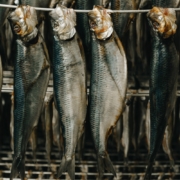
Smoking involves exposing fish to smoke from burning wood, which not only imparts a distinctive flavor but also helps to preserve it. The smoke contains antibacterial compounds that slow down the growth of microorganisms, and combined with drying, it aids in prolonging the fish’s shelf life. There are two types of smoking: hot smoking, which cooks the fish while smoking it, and cold smoking, which preserves it without cooking. This technique is very common in Nordic countries and has been used for centuries.

Salting, on the other hand, is a technique that consists of covering the fish with salt to dehydrate it, thus preventing the growth of bacteria and other microorganisms. Salt draws moisture out of the fish, creating an inhospitable environment for germs. This preservation method is popular worldwide, with variations in the amounts and methods of salt application, such as salt-dried cod in the North Atlantic or salted fish in Asia.

Both smoking and salting are appreciated for their ability to enhance flavor while maintaining the fish’s nutritional properties. Today, these traditional preservation techniques are still used, not only for their utility but also for the unique taste they bring to fish, thus becoming an integral part of the culinary heritage of different regions around the world.

The importance of marbling in meat

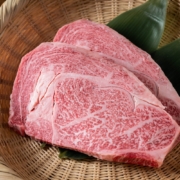
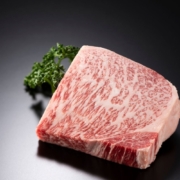
Marbling in meat is one of the most valued factors among food enthusiasts, especially when it comes to premium cuts like beef or pork. The term “marbling” refers to the distribution of intramuscular fat within the meat tissue, which appears as fine white streaks between the muscle fibers. This feature not only affects the appearance but also plays a crucial role in the meat’s juiciness, flavor, and texture.

How does marbling affect juiciness?

Marbling is essential for meat’s juiciness because the intramuscular fat acts as a natural lubricant during cooking. As the meat cooks, this fat melts and spreads throughout the cut, adding moisture and softness to the muscle tissue. This allows the meat to retain more liquids, resulting in a juicier and more tender bite.

In addition to enhancing juiciness, marbling also intensifies the flavor. Fat is a key source of flavor, and the higher the intramuscular fat content, the richer and tastier the meat will be. For this reason, cuts of meat with higher marbling, such as ribeye or wagyu, are especially prized for their rich flavor and silky texture.

Marbling classification

In many regions, marbling quality is a key criterion for classifying meat. For example, in the United States, the Department of Agriculture (USDA) classifies meat into several categories, with “Prime” being the highest due to its abundant marbling. Similarly, Japan’s famous wagyu beef is distinguished by its intricate marbling, considered among the best in the world.

In summary, marbling is a crucial element that defines meat quality. It adds juiciness, flavor, and an elevated gastronomic experience, making it a highly valued attribute by chefs and consumers alike.

Curiosities about meat consumption in different cultures around the world

Meat consumption has been a fundamental part of the human diet since ancient times, and each culture has developed its own traditions and customs around this food. Across the globe, differences in the type of meat consumed and how it is prepared depend on factors such as religion, geography, and history, making meat consumption a culturally fascinating topic.

Religion and prohibitions

In many cultures, religion has a significant impact on meat consumption. In India, Hinduism prohibits the consumption of beef, as cows are considered sacred. On the other hand, in Latin America and the United States, beef is a cornerstone of the diet. Religions like Islam and Judaism also impose restrictions: food must comply with halal or kosher laws, which include specific rituals for animal slaughter. Pork is strictly forbidden in both religions, leading to the creation of alternative dishes in countries like Israel and Saudi Arabia.

Exotic meats around the world

The consumption of exotic meats is a tradition in many cultures. In China, for example, duck and snake meat are quite popular. In certain parts of Africa and South America, dishes made with crocodile, llama, or capybara can be found. Meanwhile, in Europe, countries like France are known for consuming frog legs and snails, which are considered delicacies.

Traditions and festivities

In many cultures, meat plays a central role in festivities and celebrations. In Argentina, the asado (barbecue) is an almost sacred tradition, while in Japan, sukiyaki, a beef stew, is served on special occasions. In Mexico, carne tacos are a national symbol, served at all kinds of social events.

These customs reflect how meat consumption varies widely depending on beliefs, geography, and history, making gastronomy a link between food and the cultural identity of each region.

Blue fish vs. white fish: Nutritional and culinary differences

Fish is a fundamental part of a balanced diet, but within this category, there are two main types: blue fish and white fish. Both offer unique nutritional benefits, but their differences make them suitable for different types of culinary preparation and dietary needs.

Nutritional differences

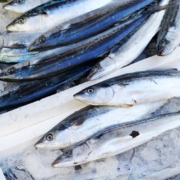
One of the key differences between blue and white fish lies in their fat content. Blue fish, such as salmon, tuna, mackerel, and sardines, are fattier, with fat content that can exceed 5%. However, this fat is rich in omega-3 fatty acids, known for their benefits to cardiovascular health, reducing inflammation, and improving brain function.

On the other hand, white fish, like cod, hake, sole, and turbot, contain less fat, usually less than 2%. They are an excellent source of high-quality protein and are lower in calories, making them ideal for those looking for lighter options in their diet.

Culinary differences

In the kitchen, the difference in fat content between these two types of fish affects how they are prepared. Blue fish, being fattier, tend to be more flavorful and juicy. They are well-suited for grilling, baking, or pan-searing. Additionally, their rich flavor makes them ideal for heartier dishes like stews or smoked preparations.

White fish, with a milder flavor and more delicate texture, are perfect for steaming, boiling, or baking. Their versatility allows them to adapt well to lighter and simpler recipes, such as salads or vegetable-based dishes.

In summary, both types of fish offer nutritional benefits and can be used in a wide variety of recipes, depending on your preferences and needs.

Wagyu beef: What makes it so special and expensive?

Wagyu beef, originally from Japan, has earned a global reputation for its extraordinary quality, flavor, and texture. Its high price is justified by several factors that distinguish it from other types of beef.

Exceptional Marbling

One of the most distinctive traits of Wagyu beef is its high degree of marbling, which refers to the distribution of intramuscular fat. This marbling not only gives the beef unique juiciness and tenderness but also enhances its flavor. Wagyu fat melts at a lower temperature, resulting in a buttery, smooth texture that literally melts in your mouth.

Specific Care

The process of raising Wagyu cattle is meticulous and requires a lot of attention and time. Japanese farmers use traditional techniques that include a special nutrient-rich diet, regular massages to relieve muscle stress, and a stress-free environment. These practices ensure the cattle grow in optimal conditions, contributing to the superior quality of the meat.

Superior Genetics

Wagyu cattle genetics also play a crucial role. Wagyu breeds, particularly Tajima, are known for their genetic ability to develop a high content of intramuscular fat. This genetic trait, combined with careful breeding, produces beef of unmatched quality.

Strict Regulations

Japan maintains very strict regulations on the breeding and export of Wagyu. Only cattle that meet rigorous standards can be labeled as authentic Wagyu. This ensures that the meat is of the highest quality but also limits supply, which contributes to its high price.

Culinary Experience

Wagyu beef is not just a food; it is a culinary experience. Chefs worldwide appreciate its versatility and the depth of flavor it brings to dishes. Its ability to elevate any recipe makes it a highly sought-after gastronomic delight.

In summary, Wagyu beef is special and expensive due to its exceptional marbling, specific care during breeding, superior genetics, strict regulations, and its ability to provide an unparalleled culinary experience. These characteristics justify its high price and explain why it is so highly valued in the gourmet world.

Veal skirt steak: Discover what it is

Skirt steak is a cut from the cow that was once underestimated, but it has recently gained popularity among grilling enthusiasts. Preparing it has its secrets, but once you know them, you can enjoy a true culinary delight.

Learn more about veal skirt steak

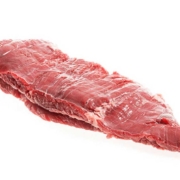
It is a muscle located in the diaphragm. If we compare its function to our body, it would be the muscle that contracts when we hiccup. It is taken from young cows, around a year and a half old, which is why it is called veal skirt steak.

Preparation methods

First, it’s important to differentiate between two types of veal skirt steak: thin and thick. The thin skirt steak is ideal for grilling, as it contains fewer tendons, making it a delicacy even for the most discerning palate.

It comes covered with a membrane, and it’s up to the grill master whether to remove it or not. It is said that leaving the membrane helps retain the juices, and when it becomes crispy on the grill, it makes veal skirt steak an incomparable bite.

Because it’s a small cut, it’s ideal as a starter before the main barbecue. It stays juicy and pairs perfectly with a good piece of bread, which soaks up all the rich flavors of this exquisite meat.

Now that you know about veal skirt steak, all that’s left is to try it. Those who haven’t yet will surely add it to their barbecue list and won’t regret their choice.

Avoid food poisoning with these 12 tips

Avoiding food poisoning is essential to protect your health and that of your family. Often, improper handling of food at home is responsible for consequences that have become alarming from a public health perspective. Here we present a list of 12 tips to help you prevent food poisoning.

How to avoid food poisoning?

With the rise in cases of listeriosis in Spain and the high rates of food poisoning, most of which occur at home, here are 12 tips to help you:

  1. Purchase food from authorized outlets that ensure required sanitary measures.
  2. Check the integrity of the product’s packaging, the manufacturer’s information, and the expiration date.
  3. Verify the natural color of the meat and make sure there is not an excess of liquid in the packaging.
  4. Refrigerate the food as soon as possible to preserve it.
  5. Store the most perishable foods in the coldest area of the refrigerator, in clean and airtight containers.
  6. Do not consume food after its expiration date.
  7. Wash your hands and keep utensils clean and disinfected.
  8. Do not reuse drying cloths without disinfecting them first.
  9. Avoid the presence of pets in kitchen spaces.
  10. Ensure proper cooking of food and avoid consuming it after three days of preparation.
  11. Wash and disinfect fruits and vegetables.
  12. Check the proper preservation of stored food.

Remember that maintaining good kitchen hygiene is a crucial step in preventing food poisoning caused by poor handling during the process at home.

Types of dehiders available

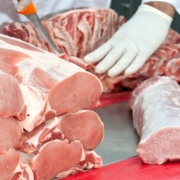
In the charcuterie industry, the use of dehiding machines for hams, carcasses, and pork cuts is essential to ensure high productivity and minimal waste of raw materials.

Which dehider should I choose?

There are various types of dehiders available on the market. When it comes to quality, efficiency, and cost-effectiveness, here are the most effective options based on our experience:

  • Q-72 manual pneumatic dehider: Ideal for dehiding cured products. It is efficient, easy to use, durable, and lightweight.
  • Q-74 manual pneumatic dehider: Excellent for dehiding fresh cuts. It maintains high productivity and is powerful, durable, lightweight, and effective.
  • Q-52 manual pneumatic dehider: Optimal for reaching difficult areas. It has a narrower head than usual, making it perfect for peeling or polishing both hams and shoulders. It’s ideal for finishing cuts initially dehided by automatic machines. It can also be used for skinning poultry.
  • Q-54 manual pneumatic dehider: Ideal for dehiding cured products.
  • Cortex N-501: This automatic machine achieves perfect cuts, even when leaving minimal fat. It’s also easy to clean.
  • Cortex CB 430 / CB 435 / CB 495: These automatic dehiders are ideal for processing fresh meats. They deliver excellent results with high efficiency.
  • Cortex CB 604: This automatic dehider features optimal cutting speed, with a cutting width of 600mm.
  • Vliesex V4744 / V5744: This dehider stands out in the market for its high performance and effectiveness in the process.

The functionality of these types of dehiders is effective for small businesses in this sector. Additionally, they provide maximum performance and efficiency in processes, offering the best quality-to-price ratio available on the market.

Types of knife sharpeners

Knife sharpeners are essential tools in the food industry. Having these tools, which are used daily, ensures that knives remain in optimal condition to guarantee precise cuts, especially in butchery.

What types of knife sharpeners are available?

From our experience, we can vouch for the quality and effectiveness of the different types of knife sharpeners available on the market.

Below, we recommend two types of knife sharpeners, highly sought after for their quality and precision. These include the AC Knife Sharpener and water-cooled knife sharpener models:

  • AC Knife Sharpener: This handy model works with a belt system, ideal for sharpening all types of knives. Its quick belt-changing feature allows for both rough sharpening and finishing, depending on the need.
  • Sharpener 180/2 – 225/2 – 225/3: These water-cooled knife sharpening machines can be installed directly at the workplace, as they meet the strictest hygiene standards. They are available with 220V alternating current and 380V three-phase power.

Both types of knife sharpeners are guaranteed for their safety, precision, and effectiveness in daily work. Having them represents a valuable investment in useful resources.

By choosing the best knife sharpeners, you ensure greater productivity, high performance at work, and of course, maximum quality for the customer. Therefore, the best results depend on making a good choice.

F-1 Ham Deboner

The ham deboning machine is an extremely useful tool in the food industry, specifically in butchery and delicatessen sectors. Having this type of equipment makes the laborious task of separating bones from pork shoulders and legs much easier.

Why choose an F-1 Ham Deboner?

As charcuterie customers, we understand the importance of making the right choice when bringing home a well-deboned ham. Let’s look at why the F-1 Ham Deboner is ideal for this task:

  • It facilitates and simplifies the processes of skinning, trimming, deboning, and gouging in hams and shoulders.
  • It is easy to use.
  • It is versatile and multifunctional.
  • It includes a support to help debone the coxis and scapula areas.
  • It comes with an additional attachment that simplifies the gouging process of the femur and humerus bones.

The F-1 Ham Deboner holds the ham by the hoof, providing the operator with effective handling benefits:

  • It prevents the operator from adopting strained postures, ensuring better performance during processes.
  • It helps increase productivity.
  • It simplifies the learning process of deboning.

Having an F-1 Ham Deboner means having an ideal tool for ham processing, guaranteeing maximum quality and the best results for the customer. Additionally, the easy operation of this machine helps avoid accidents and ensures optimal use of raw materials.