
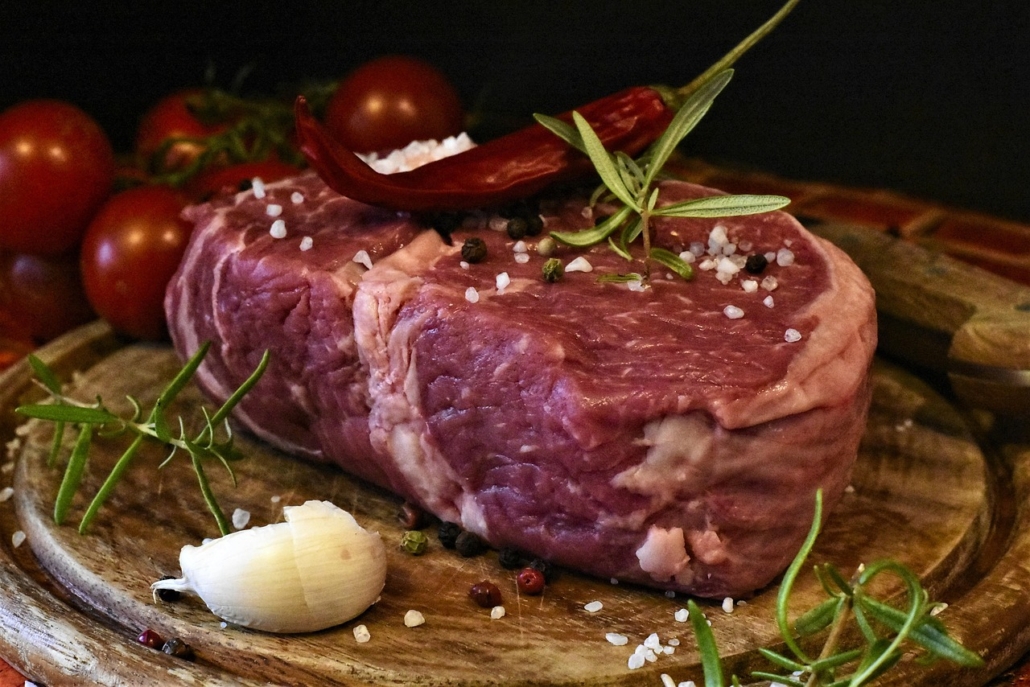
Dry-aged meat: how it’s made and why it tastes different
In recent years, dry-aged meat has become a trend in steakhouses and gourmet butchers. But what does “aging” really mean? It’s a controlled process that enhances the flavor of the meat and makes it more tender.
There are two main methods: dry aging and wet aging. In dry aging, meat is stored in refrigerated chambers with precise temperature and humidity control for several weeks. During this period, water slowly evaporates while natural enzymes break down muscle fibers, resulting in a richer flavor and softer texture.
Wet aging, on the other hand, is done by vacuum-sealing the meat. This method is faster and more economical, although the flavor is not as intense as with dry aging.
The change in taste comes from the enzymes that break down proteins and fats, releasing compounds responsible for the characteristic umami flavor. In addition, the loss of water concentrates the meat’s natural juices and aromas.
Dry-aged beef is especially suitable for cuts such as ribeye or T-bone, which shine when grilled or pan-seared. However, it requires strict hygiene and technical expertise, which is why it is usually found in specialized restaurants and butcher shops.
In short, aged meat elevates a good cut into a gourmet experience, offering a tender bite and an unmatched depth of flavor.

