
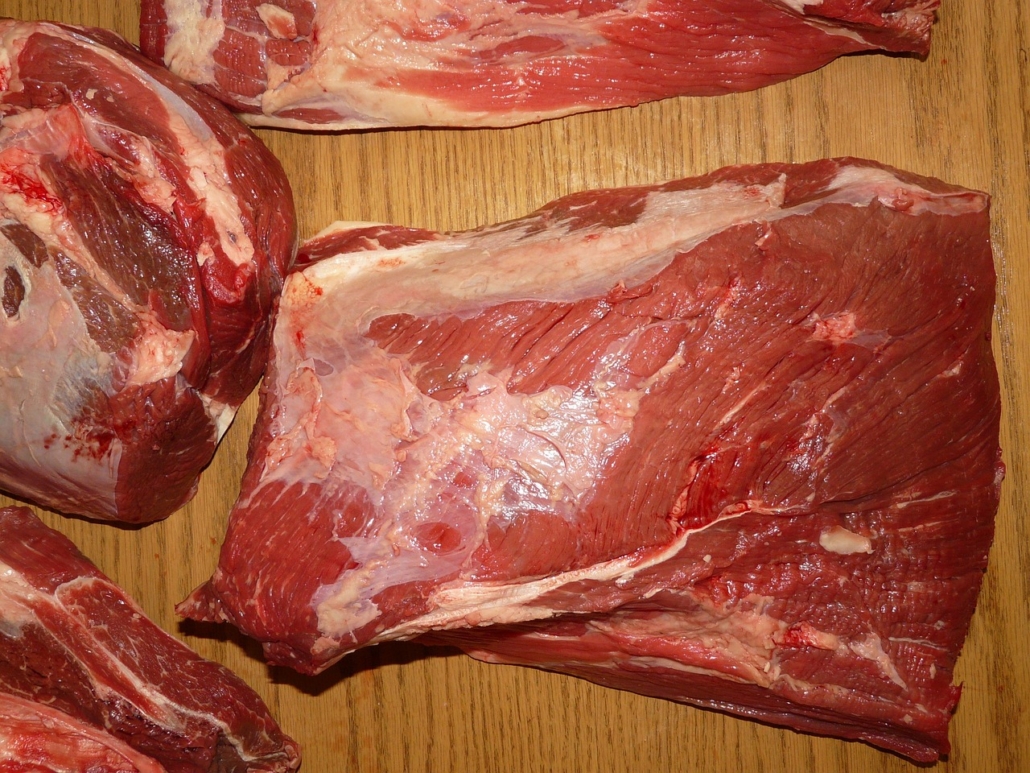
Aging: Why does “old” meat taste better?
In the world of high-end gastronomy, the term “Dry Aged” has become synonymous with excellence. But what actually happens when we leave a piece of meat in a climate-controlled room for 30, 60, or 90 days? It’s not a process of decay, but a controlled transformation.
The Magic of Natural Chemistry: Aging is a resting process under strict temperature and humidity conditions. During this time, water evaporates and flavors concentrate, offering notes reminiscent of nuts or butter. Additionally, natural enzymes break down muscle fibers, achieving an extreme tenderness that makes the meat melt in your mouth.
Is it for everyone? Aged meat has a bold personality. While a short aging period (21-30 days) is subtle and widely enjoyed, long aging is for palates seeking intense and complex experiences. Letting meat “age” is an act of patience that rewards the diner with a texture and flavor impossible to find in a fresh cut.

