
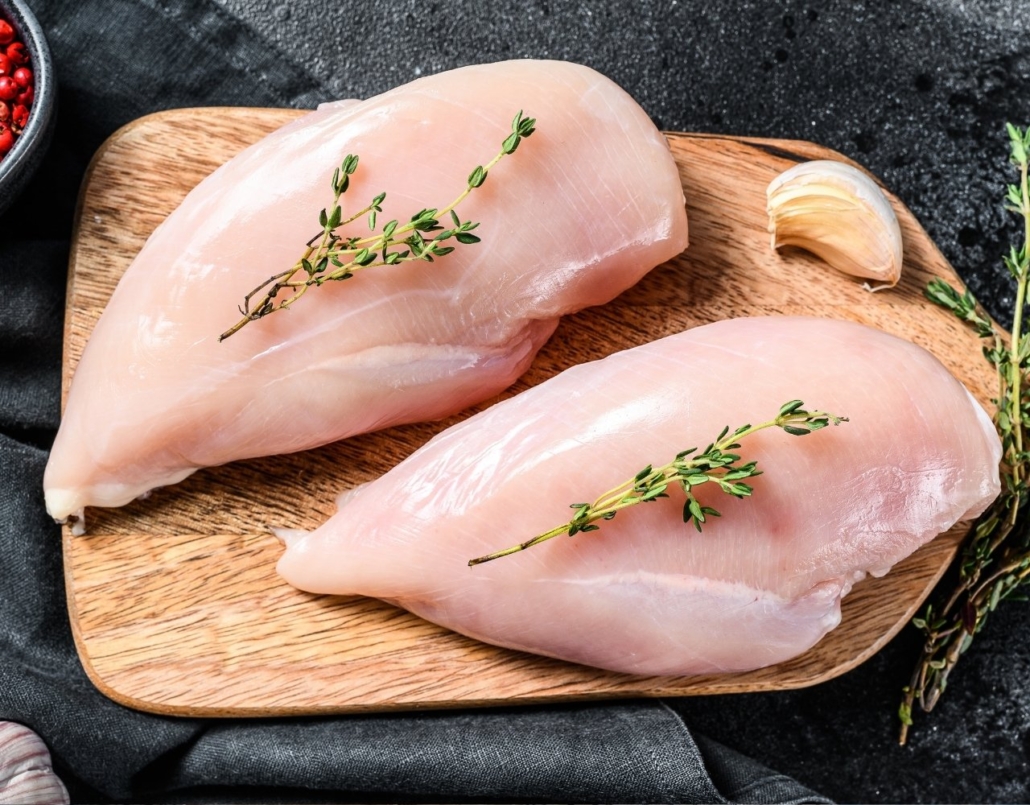
Automation in food cutting: Efficiency and quality in meat and fish processing
The food industry continues to evolve with technological advancements that significantly enhance the efficiency and quality of production processes. A crucial aspect of this development is the automation in food cutting, particularly in meat and fish processing. This technology has not only revolutionized operations in industrial kitchens and processing plants but has also brought numerous benefits that are worth highlighting.
First and foremost, automation has dramatically increased productivity. Automated cutting machines can process large volumes of meat and fish in a fraction of the time manual cutting would require, allowing companies to meet high demand more efficiently. For example, an automatic fish filleting machine can process several kilograms per minute, something unimaginable for a manual operator.
Additionally, uniformity in cuts is another significant advantage. The precision offered by these machines ensures that each piece of meat or fish meets specific size and thickness standards, which is essential for the standardization of food products. This is particularly important in the food industry, where consistency determines the quality of the final product and its acceptance in the market.
The reduction in processing time also brings benefits to the freshness of the product. In the cutting of fish and meat, speed is key to maintaining the quality and organoleptic properties of the food. Automation allows the product to spend less time on the production line, reducing exposure to the environment and minimizing the risk of contamination.
Finally, automation in food cutting facilitates the implementation of more rigorous hygiene practices. Machines are designed to be easily cleaned and sanitized, reducing the risk of cross-contamination, which could be more prevalent with manual cutting.
In conclusion, automation in meat and fish cutting not only improves efficiency and productivity but also ensures greater uniformity and quality in the final products. These advantages make investing in advanced technology indispensable for any company looking to optimize its production in today’s food industry.

