
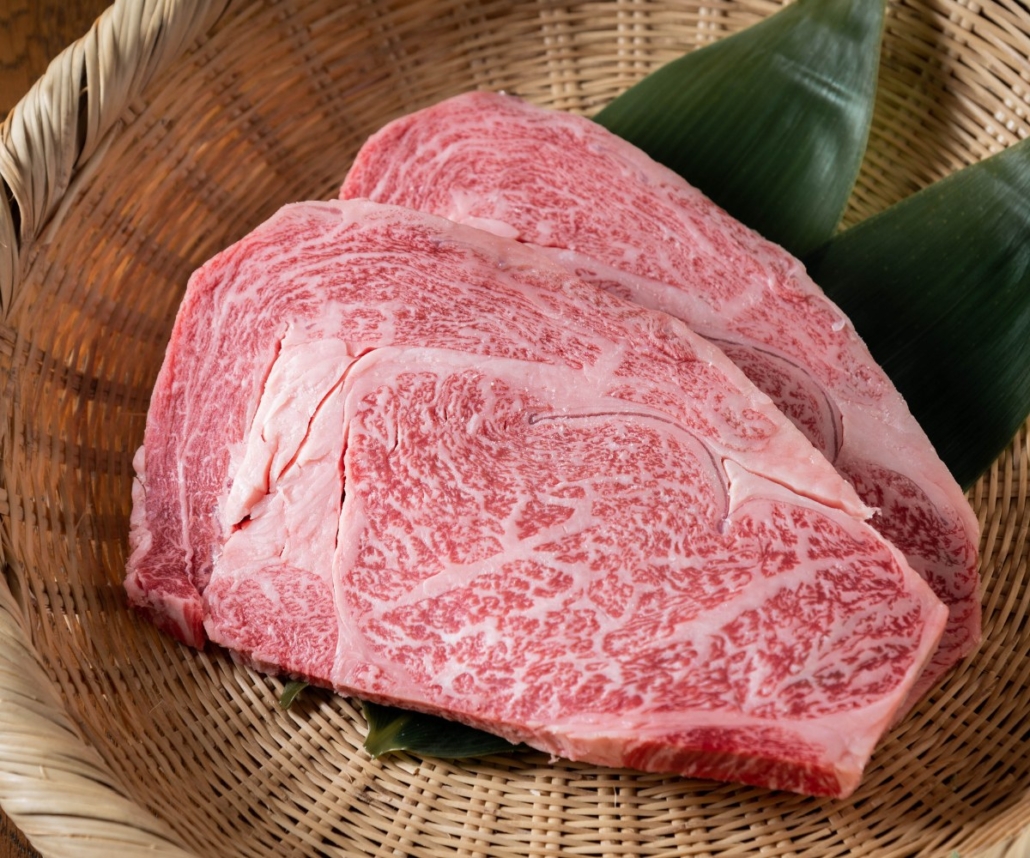
The importance of marbling in meat
Marbling in meat is one of the most valued factors among food enthusiasts, especially when it comes to premium cuts like beef or pork. The term “marbling” refers to the distribution of intramuscular fat within the meat tissue, which appears as fine white streaks between the muscle fibers. This feature not only affects the appearance but also plays a crucial role in the meat’s juiciness, flavor, and texture.
How does marbling affect juiciness?
Marbling is essential for meat’s juiciness because the intramuscular fat acts as a natural lubricant during cooking. As the meat cooks, this fat melts and spreads throughout the cut, adding moisture and softness to the muscle tissue. This allows the meat to retain more liquids, resulting in a juicier and more tender bite.
In addition to enhancing juiciness, marbling also intensifies the flavor. Fat is a key source of flavor, and the higher the intramuscular fat content, the richer and tastier the meat will be. For this reason, cuts of meat with higher marbling, such as ribeye or wagyu, are especially prized for their rich flavor and silky texture.
Marbling classification
In many regions, marbling quality is a key criterion for classifying meat. For example, in the United States, the Department of Agriculture (USDA) classifies meat into several categories, with “Prime” being the highest due to its abundant marbling. Similarly, Japan’s famous wagyu beef is distinguished by its intricate marbling, considered among the best in the world.
In summary, marbling is a crucial element that defines meat quality. It adds juiciness, flavor, and an elevated gastronomic experience, making it a highly valued attribute by chefs and consumers alike.

