
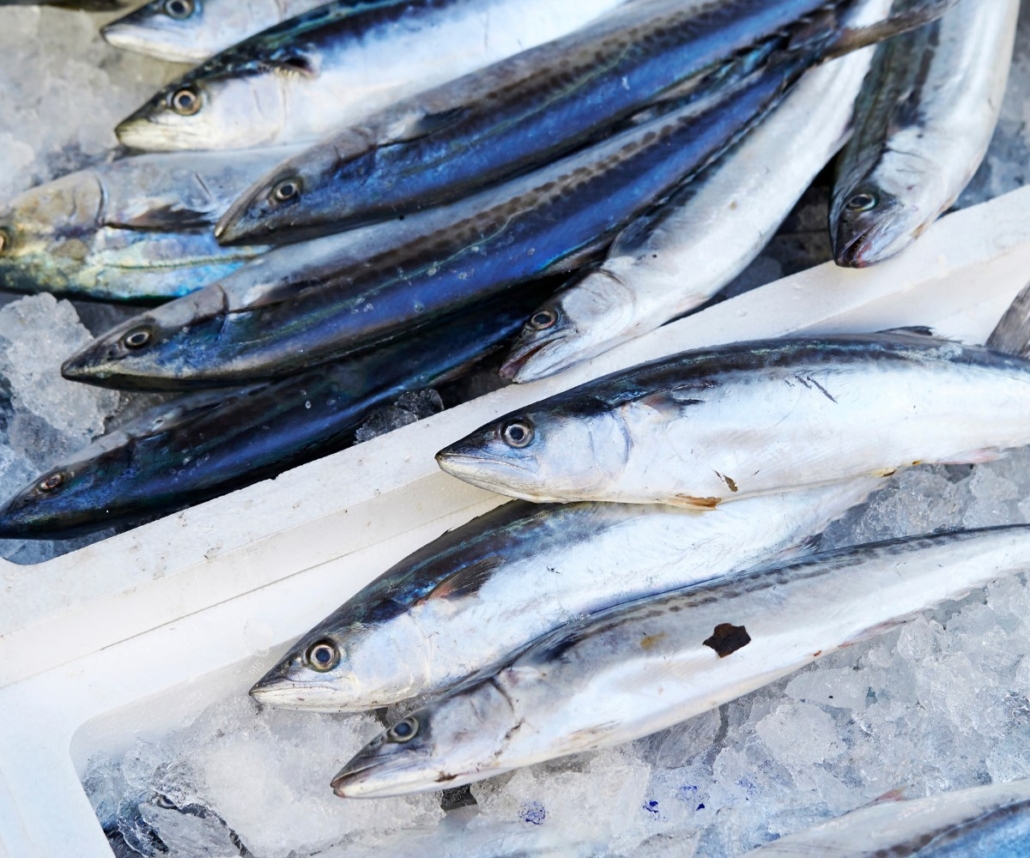
Blue fish vs. white fish: Nutritional and culinary differences
Fish is a fundamental part of a balanced diet, but within this category, there are two main types: blue fish and white fish. Both offer unique nutritional benefits, but their differences make them suitable for different types of culinary preparation and dietary needs.
Nutritional differences
One of the key differences between blue and white fish lies in their fat content. Blue fish, such as salmon, tuna, mackerel, and sardines, are fattier, with fat content that can exceed 5%. However, this fat is rich in omega-3 fatty acids, known for their benefits to cardiovascular health, reducing inflammation, and improving brain function.
On the other hand, white fish, like cod, hake, sole, and turbot, contain less fat, usually less than 2%. They are an excellent source of high-quality protein and are lower in calories, making them ideal for those looking for lighter options in their diet.
Culinary differences
In the kitchen, the difference in fat content between these two types of fish affects how they are prepared. Blue fish, being fattier, tend to be more flavorful and juicy. They are well-suited for grilling, baking, or pan-searing. Additionally, their rich flavor makes them ideal for heartier dishes like stews or smoked preparations.
White fish, with a milder flavor and more delicate texture, are perfect for steaming, boiling, or baking. Their versatility allows them to adapt well to lighter and simpler recipes, such as salads or vegetable-based dishes.
In summary, both types of fish offer nutritional benefits and can be used in a wide variety of recipes, depending on your preferences and needs.

