
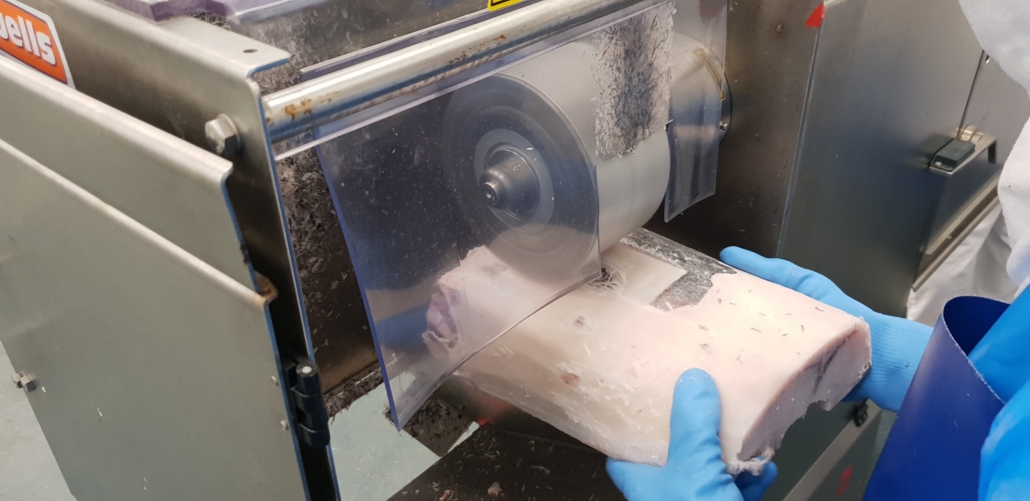
The Importance of Maintenance and Cleaning for Food Machinery
In the food industry, machinery is not just an asset; it is the heart of your business. However, many professionals underestimate the direct impact that inadequate cleaning or poor maintenance has on both final product quality and company profitability.
Key Maintenance Guidelines: Machinery must be subject to a preventive maintenance plan. Do not wait for a breakdown; perform periodic inspections of moving parts, gaskets, blades, and electrical systems. An overheated motor due to lack of lubrication or a worn belt will not only halt production but can also compromise operator safety.
Cleaning and Hygiene: Cleaning is not optional; it is a legal and sanitary requirement. You must establish daily cleaning intervals (after each use) and deep weekly disinfection. Identify “high-risk zones” where meat or fish debris accumulates: seals, screw threads, and interior housing. These spots are breeding grounds for bacteria.
How to Avoid Cross-Contamination: One of the greatest risks is the transfer of pathogens between different types of products. To avoid this:
-
Color Coding: Use specific cleaning tools and cloths for each sector (fish vs. meat).
-
Disassembly Protocols: Ensure that parts in contact with raw fish are thoroughly disinfected before handling meat.
-
Training: Your team must understand the risks. A poorly sanitized machine is a primary vector for contamination.
In conclusion, investing time in the hygiene and maintenance of your machinery is an investment in your establishment’s reputation and your customers’ health. A clean machine not only lasts longer but operates more efficiently.

