
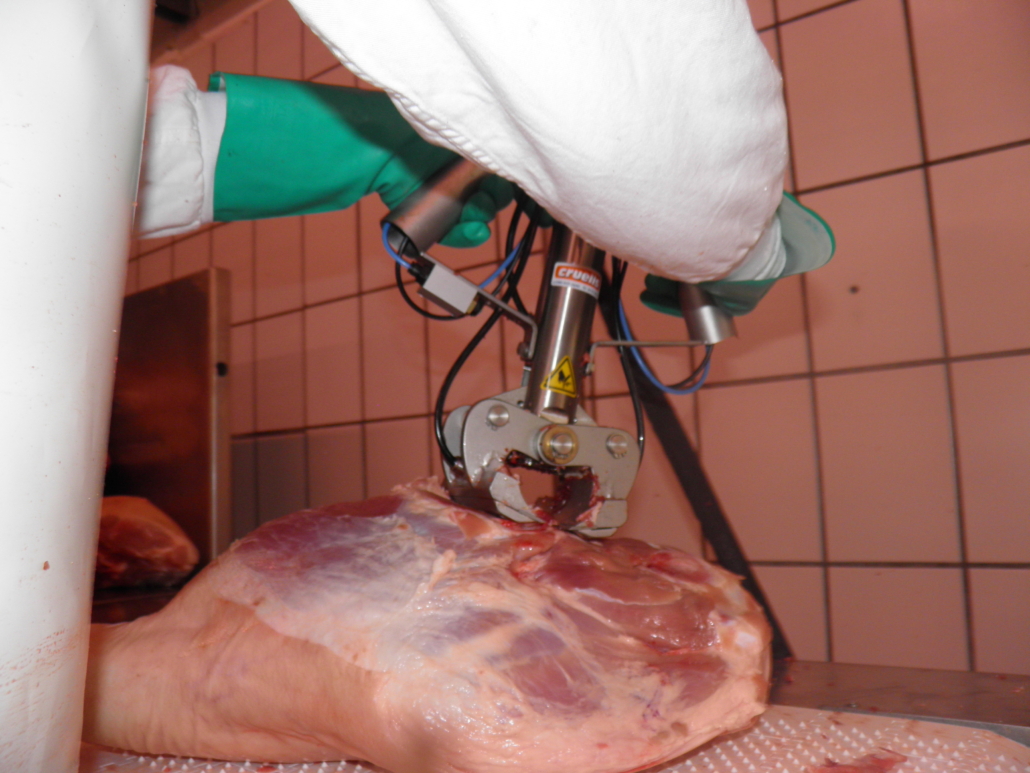
How to Calculate the Return on Investment (ROI) in Food Machinery
Investing in new technology for a food processing plant is not just about modernization; it is a strategic financial decision. The Return on Investment (ROI) tells us how long it will take for a machine to “pay for itself” through the savings it generates. Here are the key points to calculate it:
1. Labor and Time Savings
Automation allows processes that previously required three people to now need only minimal supervision. Multiply the hourly cost of the operator by the hours saved per month to see the direct impact on your cash flow.
2. Reduction of Product Shrinkage and Waste
In the food industry, every gram counts. Precise machinery reduces product waste (trimmings, weighing errors, or defective packaging). If a machine reduces waste by 5%, that percentage translates directly into net profit at the end of the year.
3. Consistency and Material Savings
Modern machinery optimizes the use of inputs (such as oil, flour, or packaging film). By standardizing portions and material usage, overcosts due to excess product in the packaging are eliminated.
4. The Final Calculation
To get the ROI, use this simple formula:
If the annual savings exceed the investment cost in less than 18-24 months, the acquisition is considered highly profitable.

